Vape Liquid Tax UK: What You’re Paying Now & How to Make Your E-Liquid Last Longer
Key summary: Vaping Products Duty adds £2.20 to every 10ml bottle, £2.64 with VAT, in force since 1st October 2026. The average e-liquid at Electric Tobacconist goes from £3.49 to just over £6 once duty-paid stock lands. Pre-duty stock can sell until 1st April 2027, so the same flavour might show two prices right now. After that, every bottle needs a Duty Stamp. A low-powered, mouth-to-lung refillable pod kit makes each e-liquid bottle last longer, cutting your ongoing cost.
That £3.49 nic salt you keep topping up on is about to cost more, thanks to the Vaping Products Duty. This increase has been running since 1st October 2026; it just hasn’t hit every shelf yet: once duty-paid stock replaces what’s there now, you can expect to pay upwards of £6.
Have you spotted two different prices on what looks like the same flavour lately? Well, you’re not imagining it. Retailers can sell through pre-duty stock alongside newly taxed batches for months yet, so the same bottle might ring up differently depending on which batch you grab.
Contents
- What is the Vape Tax, and What Does it Actually Cost?
- How Much More Will Riot E-Liquid, ELFLIQ and IVG Pro 12 Cost You?
- Why the Same Bottle Might Show Two Different Prices Right Now
- The 1st April 2027 Deadline, and Why it isn’t a Second Price Rise
- How to Make Your E-Liquid Last Longer: Why Vape Kit Choice Matters
- Is Vaping Still Cheaper Than Smoking After the Tax?
- Frequently Asked Questions
What is the Vape Tax, and What Does it Actually Cost?
The vape juice tax, officially called Vaping Products Duty (VPD), is a flat £2.20 charge on every 10ml of vaping liquid (22p per ml), nicotine or not, confirmed by HMRC. Add 20% VAT, and that’s £2.64 per 10ml, charged on every vaping liquid made in or imported into the UK since 1st October 2026.
The rate’s the same whatever the nicotine strength. A 0mg bottle pays exactly what a 20mg one does, because VPD taxes the e-liquid, not the nicotine in it. Hardware, coils and empty refillable pods are untaxed, as they do not contain any e-liquid.
Whether that cost lands on the shelf price is down to the retailer, not the law. HMRC collects the duty upstream, from manufacturers and importers, so nothing forces a shop to add it at the till. Most do, since someone along the chain has to cover it.
For the fuller policy breakdown, our full breakdown of the duty covers the Duty Stamps Scheme in detail.
How Much More Will Riot E-Liquid, ELFLIQ and IVG Pro 12 Cost You?
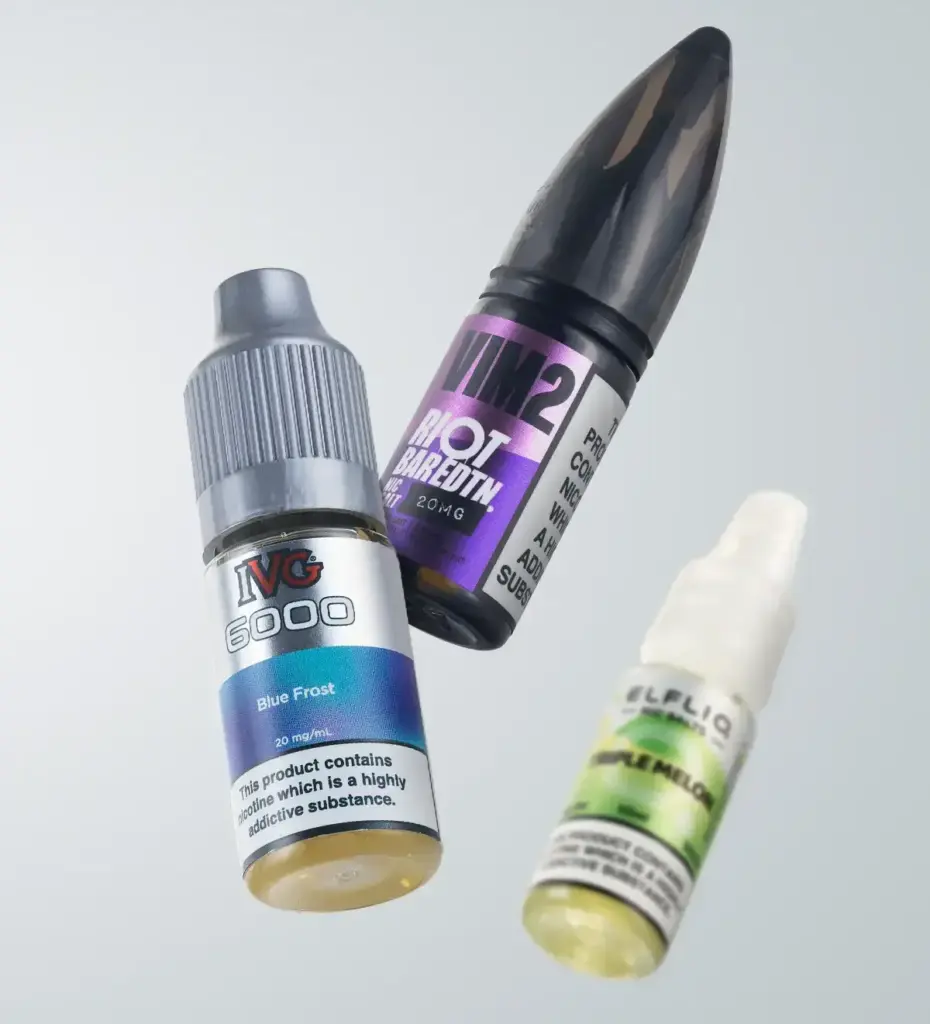
Some of our most popular e-liquid and big puff brands include Riot E-Liquid, ELFLIQ by Elf Bar, and IVG. A 10ml Riot E-Liquid or ELFLIQ nic salt, currently £3.49 at Electric Tobacconist, will cost approximately £6.13 once duty-paid stock replaces the batch on the shelf now. An IVG Pro 12 refill pod, £7.99 for its 10 + 2ml of e-liquid, adds roughly £3.17 in duty and VAT, taking it to just over £11. It’s worth mentioning that these are simply price predictions, and no one can yet know how duty-stamped e-liquid will be priced until April 2027.
| PRODUCT | CURRENT PRICE | DUTY ADDED (+ VAT) | NEW UNIT PRICE |
| Riot E-Liquid 10ml nic salt | £3.49 | £2.64 | £6.13 |
| ELFLIQ 10ml nic salt | £3.49 | £2.64 | £6.13 |
| IVG Pro 12 refill pod 10 + 2ml | £7.99 | £3.17 | £11.16 |
Buying into the current multibuy bundles locks in today’s price before the duty lands. Riot E-Liquid runs 5 for £10, working out at £2 a bottle*; ELFLIQ runs 4 for £10, at £2.50 a bottle*; IVG Pro 12 runs 10 packs for £6 each*. All three sit well under the single-unit prices above, and none of them will last at these rates once pre-duty stock runs out.
At the time of writing this blog, there are currently no e-liquids on our site that are stamped with the vape tax; however, the JUUL 2 Starter Kit is already showing the new, duty-paid price if you want to see an example of these figures live on a real product.
Why the Same Bottle Might Show Two Different Prices Right Now
Retailers can sell through older, pre-duty stock alongside newly taxed batches until 1st April 2027, so the same flavour can show two different prices depending on which batch you pick up. Call it the stock gap: two different batches of the same e-liquid, but the post-October batch will be taxed.
Faster-selling flavours burn through their old stock quicker, so they pick up the new price sooner, whereas slower movers can sit at the old price for weeks longer. The simplest way to check whether tax has been applied is the Duty Stamp, a small mark on the packaging that confirms the duty’s been paid.
If you’re stocking up on nic salts while pre-duty prices last, check for the stamp before you buy so you know which batch you’re getting. If you’re buying online, post-duty products should have messaging on the product page to let you know if the vape duty has been paid.
The 1st April 2027 Deadline, and Why it isn’t a Second Price Rise
From 1st April 2027, every vaping product sold in the UK must carry a valid Duty Stamp. That date closes the stock gap for good. The duty rate itself doesn’t move: it stays at £2.20 per 10ml, exactly where it’s been since launch.
Right now, a shop can sell through bottles taxed before 1st October 2026 at the old price, alongside newly taxed stock at the higher one. Once every bottle needs a Duty Stamp, that older stock is gone for good.
Shelf prices go up from that point because the cheaper stock runs out, not because HMRC raises the duty again. What changes is that nothing cheaper is left on the shelf.
How to Make Your E-Liquid Last Longer: Why Vape Kit Choice Matters
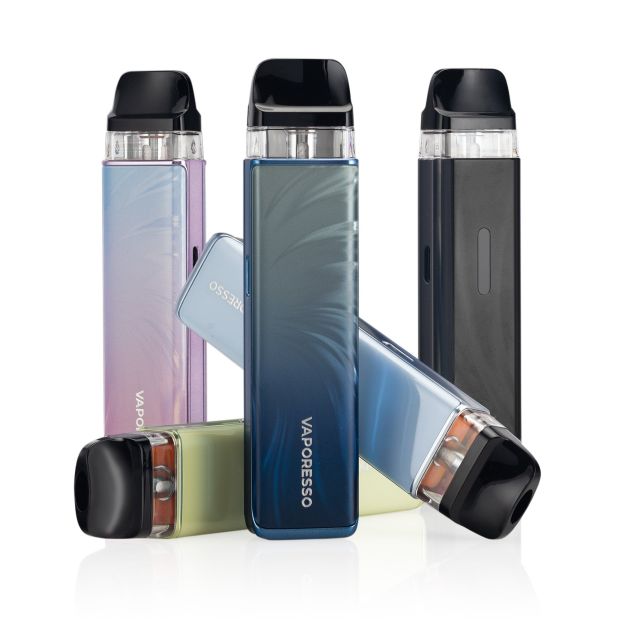
A low-powered mouth-to-lung kit, the same tight draw as a cigarette, stretches an e-liquid far further than a sub-ohm or direct-to-lung setup, built for big clouds. A high-resistance coil of 1.0 ohm or above runs at lower wattage, vaporising liquid more slowly, so the bottle lasts longer.
A mouth-to-lung pod at 10-20W sips e-liquid: a 10ml bottle can last a week of regular use. Run the same liquid through a sub-ohm tank/coil at 40-80W, and you’ll likely burn through it in 1-3 days. More power and more vapour means more e-liquid gone.
| SETUP | TYPICAL WATTAGE | ROUGHLY HOW LONG A 10ML BOTTLE LASTS |
| MTL pod kit | 10-20W | About a week of regular use |
| Sub-ohm kit | 40-80W | 1-3 days |
ELFLIQ and Riot E-Liquid nic salts are both formulated for 1.0-1.4 ohm mouth-to-lung vape kits, so if you’re vaping either already, you’re set up to make the switch without changing your e-liquid.
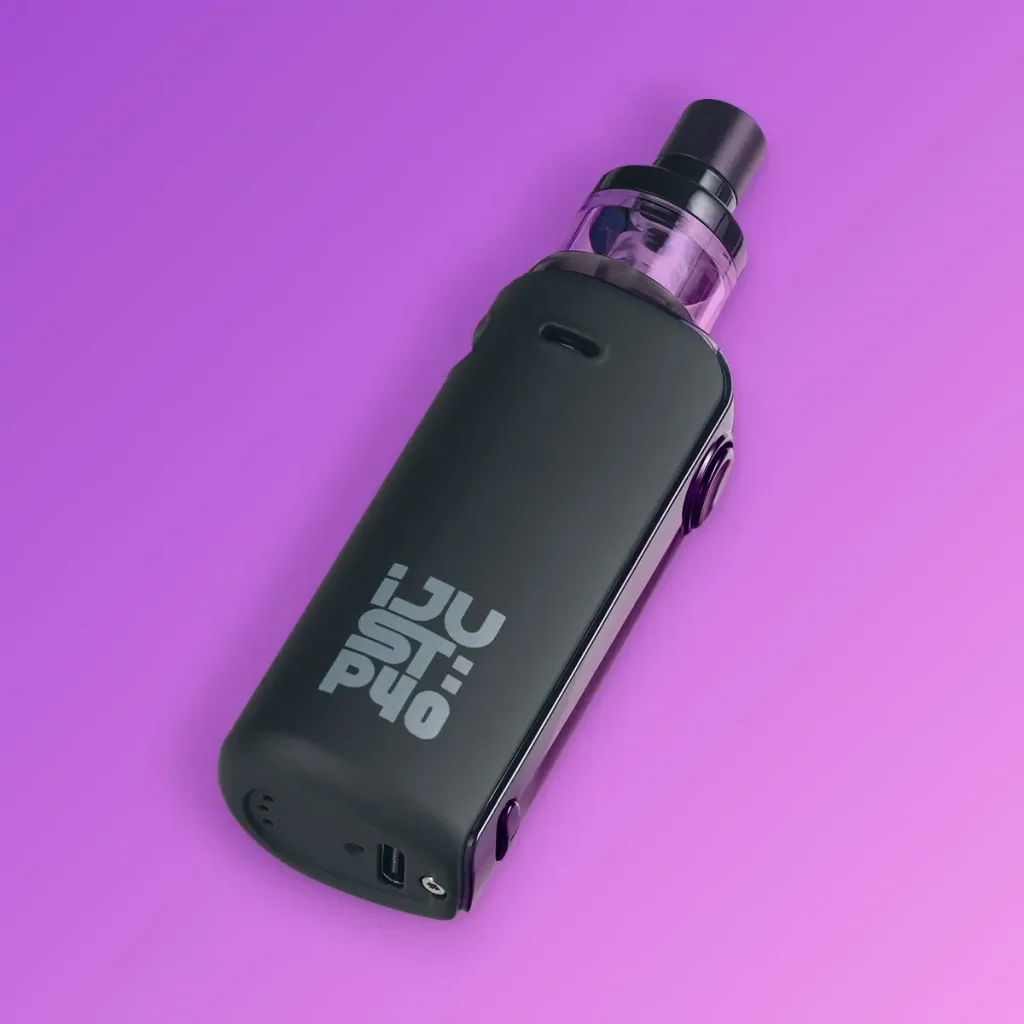
Out of habit rather than preference, a sub-ohm tank is costing you more per puff than it needs to. Nic salts deliver nicotine faster at lower power, so you get the hit without the extra liquid burn. A refillable vape kit built around a high-resistance coil is the simplest way to make that saving permanent.
Is Vaping Still Cheaper Than Smoking After the Tax?
Vaping still costs a fraction of smoking, even with the new duty. A 20-a-day smoker paying around £16.60 a pack spends upwards of £500 a month. A regular nic salt vaper buying duty-paid Riot or ELFLIQ, even without multibuy pricing, spends closer to £25. That’s still a different order of spending.
5.4 million UK adults, 9.9% of GB adults aged 16 and over, vaped daily or occasionally in 2025, against 8.7% who smoked, according to ONS data released 6 October 2026.
Frequently Asked Questions
Every 10ml bottle costs £2.64 more once duty-paid stock replaces what’s currently on shelves: that’s £2.20 in duty plus 20% VAT. Riot E-Liquid and ELFLIQ nic salts go from £3.49 to £6.13 a bottle. A 12ml IVG Pro 12 refill pod goes from £7.99 to around £11.16.
Vaping Products Duty has been in effect since 1st October 2026, charged at a flat £2.20 per 10ml on every vaping liquid, regardless of its nicotine strength.
Yes. The duty is charged on the volume of liquid, not its nicotine content, so a 0mg bottle is taxed the same as a 20mg one.
No. Vaping Products Duty applies only to the e-liquid itself, so hardware, coils and empty refillable pods aren’t affected.
No, the rate stays at £2.20 per 10ml. That date is when every vaping product sold in the UK must carry a valid Duty Stamp. That’s what closes the stock gap, rather than a second price rise.
*Please note that these multi-buy price figures were accurate at the time this blog was written, and are, therefore, subject to change.